No-shows are one of the biggest revenue leaks a clinic has. International literature puts outpatient no-show rates at around 20% of booked appointments, and a study of pediatric visits in Brazil measured 24% among patients who received no reminder. If your clinic runs 40 appointments a day and charges $80 per visit on average, that's up to $640 in lost revenue every single day — more than $12,000 a month that simply vanishes.
The good news: this is one of the most solvable problems with the right tools. Below, we break down the real causes and the strategies that work for clinics in Panama.
Why don't patients show up for their appointments?
Before talking about solutions, you need to understand the causes. These are the ones the front desks we work with report most often, in order of frequency:
- Forgetfulness: the patient booked days in advance and simply forgot. By far the most common cause.
- Schedule conflict: something came up and they couldn't find an easy way to reschedule.
- No confirmation of the appointment status: they weren't sure the appointment was still on.
- Embarrassment or hesitation: they decided not to go but didn't bother to cancel.
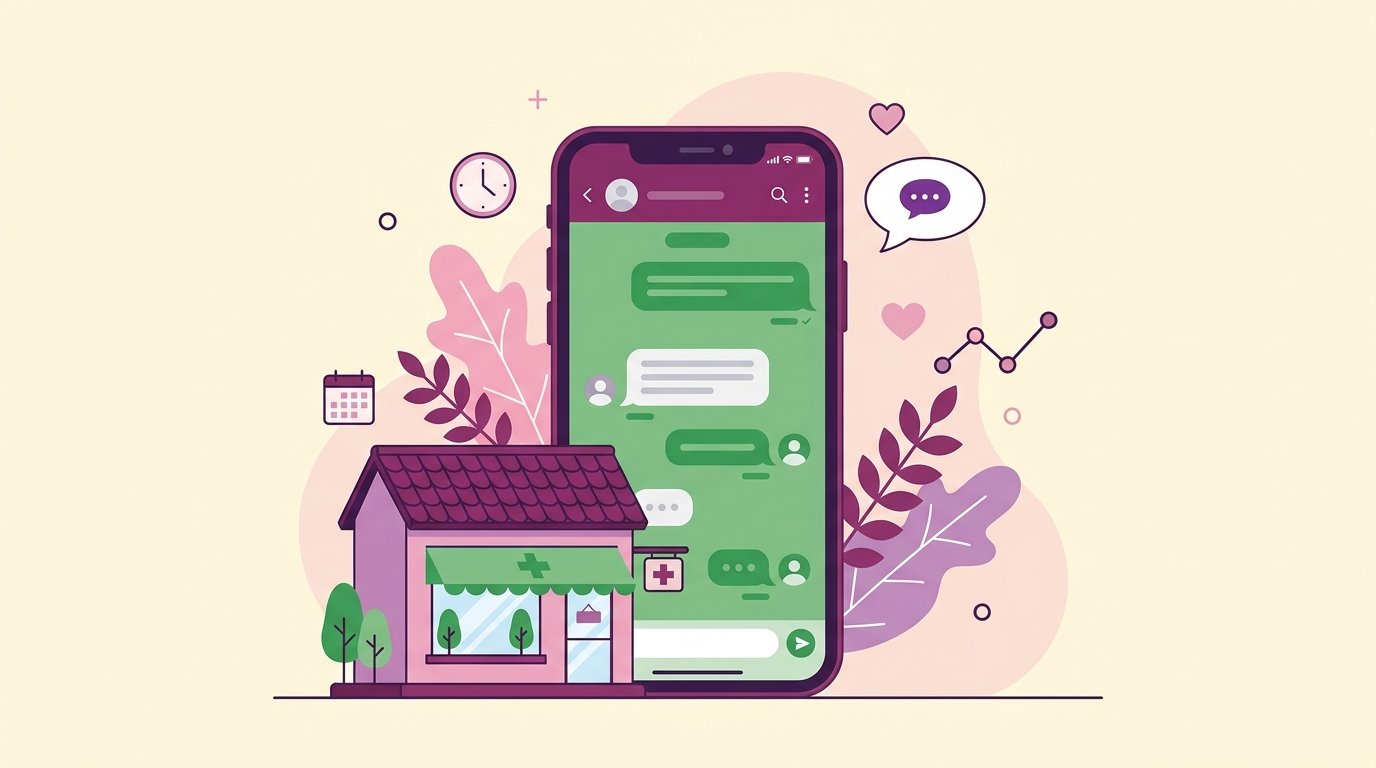
Key point: a large share of those no-shows disappear with a reminder sent 24 hours ahead. In the Brazilian study cited above, no-shows fell from 24% to 8.5% with text reminders alone. In Panama the natural channel to send them is WhatsApp, because that is where patients already talk every day.
Strategy 1: Automatic WhatsApp reminders
The reminder is the simplest and most effective tool for reducing no-shows. Doing it manually, however, eats up your staff's time and is inconsistent. The key is to automate it.
An effective WhatsApp reminder should:
- Be sent 24 hours before the appointment (not the same day).
- Include the full details: patient name, date, time and address.
- Offer clear options: confirm, reschedule or cancel in one tap.
- Confirm the patient's action immediately.
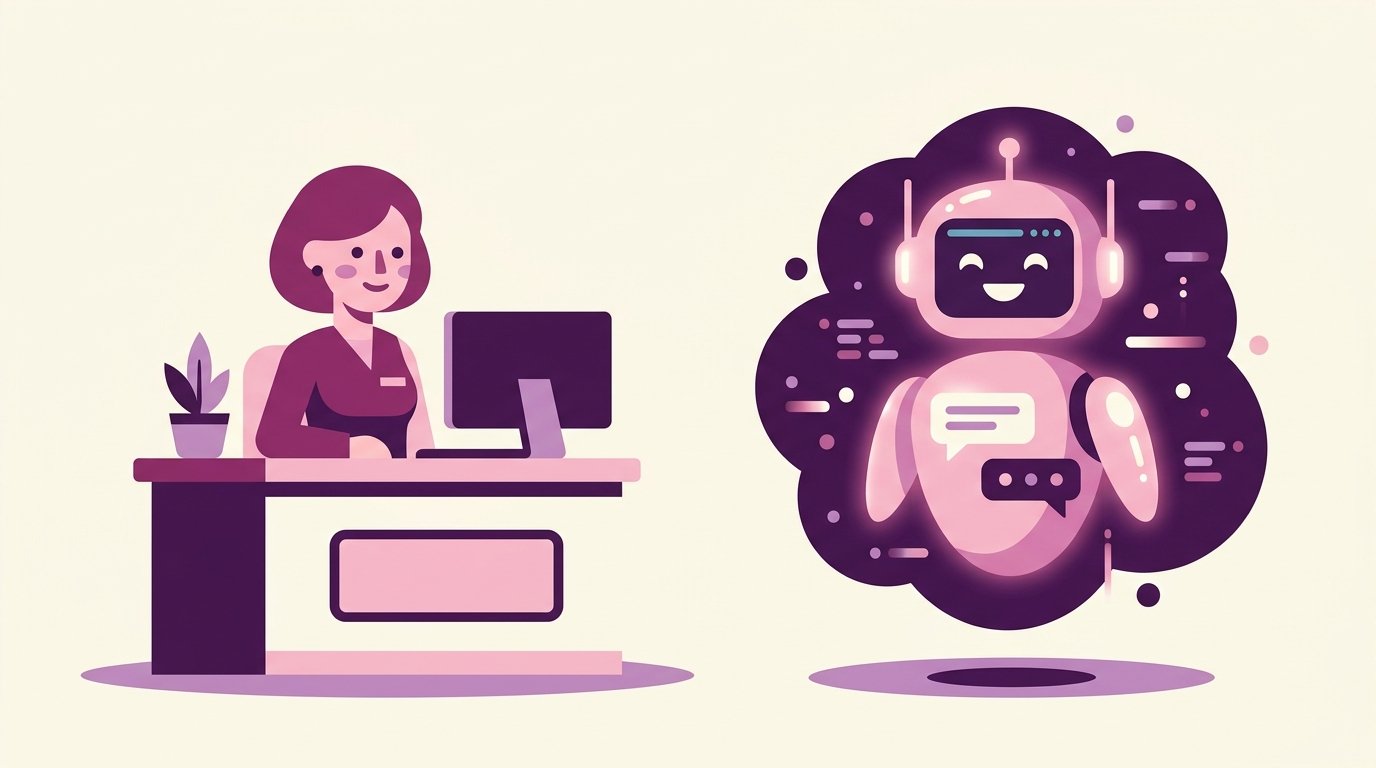
With a system like NahIA, this process is fully automatic. Every morning the assistant reviews the next day's appointments and sends each patient a personalized reminder — with no human intervention.
Strategy 2: Confirmation at the moment of booking
The second leak is the gap between booking and the appointment. If a patient books a week ahead and gets no communication until the reminder, they're more likely to forget or hesitate.
The best practice is to send an immediate confirmation the moment the appointment is booked, with a summary of the details and any prep instructions (for example, fasting for blood work).
Strategy 3: Make rescheduling easy
Many patients don't cancel because rescheduling feels like a hassle. If your system requires calling the clinic during business hours to cancel or change an appointment, the patient will just not show up instead.
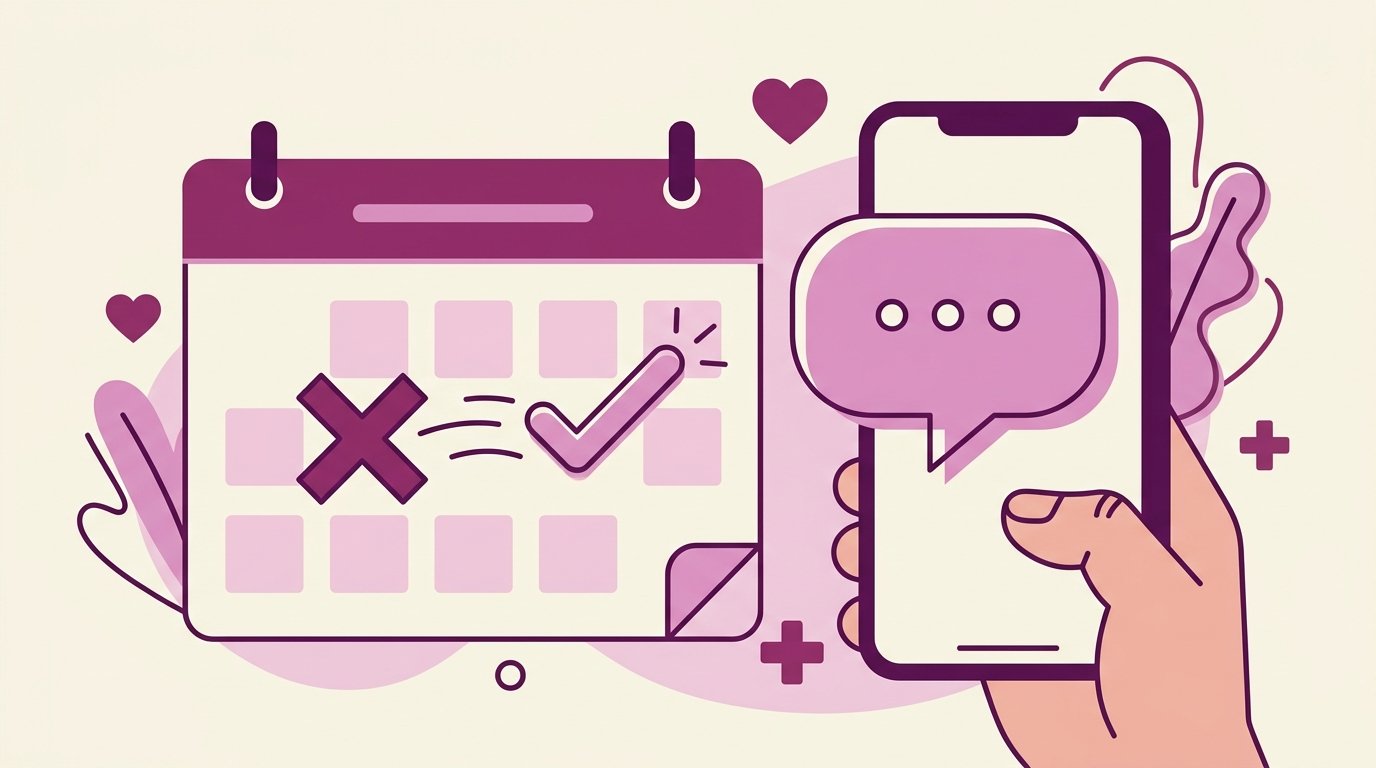
The solution is to offer rescheduling by WhatsApp at any time. An AI assistant can handle this end to end: check real availability, offer alternative slots and confirm the change — with no receptionist involved.
Strategy 4: An active waitlist
When a patient cancels, that slot sits empty. An active waitlist lets you fill it immediately, turning a cancellation into an opportunity.
With automation, the process is instant: when a slot opens up, the system contacts the first patient on the waitlist by WhatsApp and offers them the time. If they don't reply within 15 minutes, it moves to the next.
Strategy 5: A prior-confirmation policy
Some high-demand clinics implement a policy where an appointment is only considered confirmed if the patient replies to the reminder. If they don't confirm, the slot is automatically released 2 hours before the appointment.
This strategy works well for specialties with long waitlists, where there are always patients ready to take a last-minute slot.
What to expect: in the Brazilian trial, text reminders cut no-shows from 24% to 8.5%, while phone calls left them at 11.9%. Your own starting point and result depend on your specialty and on how far ahead you book.
How long does this take to implement?
With a solution like NahIA, implementation takes 48 hours. You don't need to change your current scheduling system — the assistant connects to your Google Calendar or the tool you already use, and starts sending reminders automatically from day one.
Summary: the 5 strategies
- Automatic reminders 24h ahead by WhatsApp with the option to confirm, reschedule or cancel.
- Immediate confirmation at the moment of booking with all the details.
- Easy rescheduling by WhatsApp with no need to call the clinic.
- An active waitlist to fill canceled slots in minutes.
- A prior-confirmation policy for high-demand clinics.
If you want to roll out all these strategies automatically without hiring more staff, book a free NahIA demo and see it working live for a clinic like yours.
What does a missed appointment really cost your clinic?
The most common mistake is counting only the unbilled visit. A missed appointment also consumes the time of the doctor and staff already assigned to that block, the fixed costs that keep running regardless (rent, utilities, equipment) and the slot another waitlisted patient would gladly have taken. A study published in BMC Health Services Research, which analyzed a network of ten hospital clinics in the United States with an average no-show rate of 18.8%, estimated the average cost of each missed appointment at $196 per patient.
The exact amount varies by specialty and country, but the conclusion holds just as well in Panama: every empty slot on the schedule costs more than the price of the visit, because fixed costs don't disappear when the patient doesn't show up.
What does the evidence say about WhatsApp reminders?
Do WhatsApp reminders actually reduce no-shows? The available evidence says yes. A study of outpatient pediatric visits in Brazil, published in Revista Paulista de Pediatria, compared three groups of patients: no reminder, a phone call, and a text message (97.2% of them sent through WhatsApp). The no-reminder group had a 24.0% absence rate, the phone call group brought it down to 11.9%, and the message group to 8.5%, the lowest of the three. In other words, a WhatsApp message sent before the appointment cut absences by roughly two thirds compared with sending nothing, and outperformed the phone call, which also takes up staff time. For clinics in Panama and Latin America, where WhatsApp is the dominant messaging channel, this result translates directly.
Why it matters: you don't need to change how your clinic works to attack no-shows. The channel your patients already check every day is the same one that shows the best results in the studies.
How do you measure your no-show rate before starting?
Before implementing any strategy you need a starting point. The formula is simple: divide the appointments the patient missed without notice by the total appointments booked in the same period, and multiply by 100. That's your no-show rate.
- Measure 4 full weeks: a single week can be skewed by holidays or payday.
- Separate no-shows from cancellations: a cancellation with notice can be reassigned; a no-show can't.
- Segment by visit type: first visits, follow-ups and procedures usually have very different rates.
- Repeat the measurement 60 days after turning on reminders to compare against your baseline.
With your baseline in hand you can estimate how much you'd recover with a reduction of that order in no-shows and weigh that amount against the cost of the tool. To run the numbers with your clinic's real figures, check NahIA's plans and pricing.
Frequently asked questions
How much can reminders cut no-shows?
In the Brazilian trial cited in this article, no-shows fell from 24% to 8.5% with text reminders alone; phone calls left them at 11.9%. Your own result depends on your specialty and on how far ahead you book.
When should the reminder be sent?
Twenty-four hours before the appointment. That is the window that lets the patient reorganise and lets the clinic fill the slot if they cancel.
How do I work out what no-shows cost me?
Multiply your monthly no-shows by your average ticket. That figure is what you compare against the cost of any tool before signing up.
Do I have to change scheduling software to automate reminders?
No. NahIA connects to the calendar the clinic already uses, so there is no data migration and the front desk keeps working the same way.